
dBS Solutions enhances Daresbury Festival
dBS Solutions provided sound reinforcement for the dance-focused Daresbury Festival at Walton Hall and Gardens in Warrington, Cheshire, with all three stages powered by Martin Audio systems.


Explore the universe like never before at the Brussels Planetarium – with its 8K system delivering powerful, immersive shows with cutting-edge projection and software from Barco
Sponsored editorial
The Brussels Planetarium is one of Europe’s largest and most respected, and it has taken its immersive experience to the next level. Part of the Royal Observatory of Belgium, the planetarium is renowned for its scientific research and stunning shows under its 23m dome.
To bring its technology up to modern standards, the planetarium once again turned to Barco and RSA Cosmos, long-time partners behind its first digital upgrade back in 2009. Their mission: to deliver next-gen visuals with a seamless 360° experience.
“We’ve been around for 91 years and have been at the forefront of the pioneering days of projection,” introduces Lieven Bertels, Barco’s IX segment lead. “Originally, projection was being used in quite different circumstances, because the first commercial use of video projection was actually in airlines.
“A lot of our projection portfolio is still deployed in simulated visual environments, including flight, maritime and ground training. Planetariums are a logical extension of that, as they are often challenging set-ups with multiple projectors in a large dome. The real challenge sits with not only needing to project onto a curved surface, but also bringing all those multiple channels of projection together with extremely high accuracy.”
For the Brussels Planetarium, RSA Cosmos supplied its powerful Skyexplorer 2021 astronomical software, while Barco provided eight F70-4K8 laser projectors, each boasting 7500 lumens and 4K resolution. The high contrast and deep black levels create breathtaking starfields on an 840 sq m dome – making it the most advanced 8K planetarium system in Belgium.
“For a projection on a flat wall, you would have an easier online tool like a lens calculator,” adds Karsten Becker, senior presales engineer for projection at Barco. “Getting that information for a dome structure is not that easy.”
Barco’s 3D modelling tool is honed from the company’s decades-worth of experience working in the planetarium and visitor attraction sectors.
“Using this, we get a 3D model of the planetarium, giving us an idea of possible mounting positions, the lenses we’ll need and the angles the projectors must be placed at. We can also predict how big the overlap between single projectors are,” describes Becker.

Planetariums demand extremely high image accuracy for educational and scientific content
The experience is fully immersive, incredibly vivid and scientifically accurate, made possible thanks to live astronomical data feeding Skyexplorer’s real-time simulations.
“Barco is very good at delivering projection where the image is critical,” Bertels continues. “Planetariums are connected to scientific institutions or science museums in major cities that depend on ticket sales to operate. It’s therefore critical that the image works every hour of the day across each year.”
Barco’s projectors offer a 60,000-hour lifespan – a huge leap from older lamp systems needing replacements every 700 hours. This means significantly fewer interruptions, lower maintenance and greater sustainability. Barco will also support the system with ten years of proactive maintenance through its Essentialcare service.
“It’s more than simply a projector,” Bertels concludes. “It’s whole support system, starting from presales all the way through to installation and the maintenance that continues in the years following installation.”
With RSA Cosmos’ turnkey planetarium solutions and educational content, plus Barco’s ultra-durable projection, Brussels now offers an unmatched cosmic experience – right here on Earth.
Learn more about Barco’s products by visiting the website at barco.com/planetarium
This article was first published in the May/Jun 2025 issue of LIVE.
dBS Solutions provided sound reinforcement for the dance-focused Daresbury Festival at Walton Hall and Gardens in Warrington, Cheshire, with all three stages powered by Martin Audio systems.
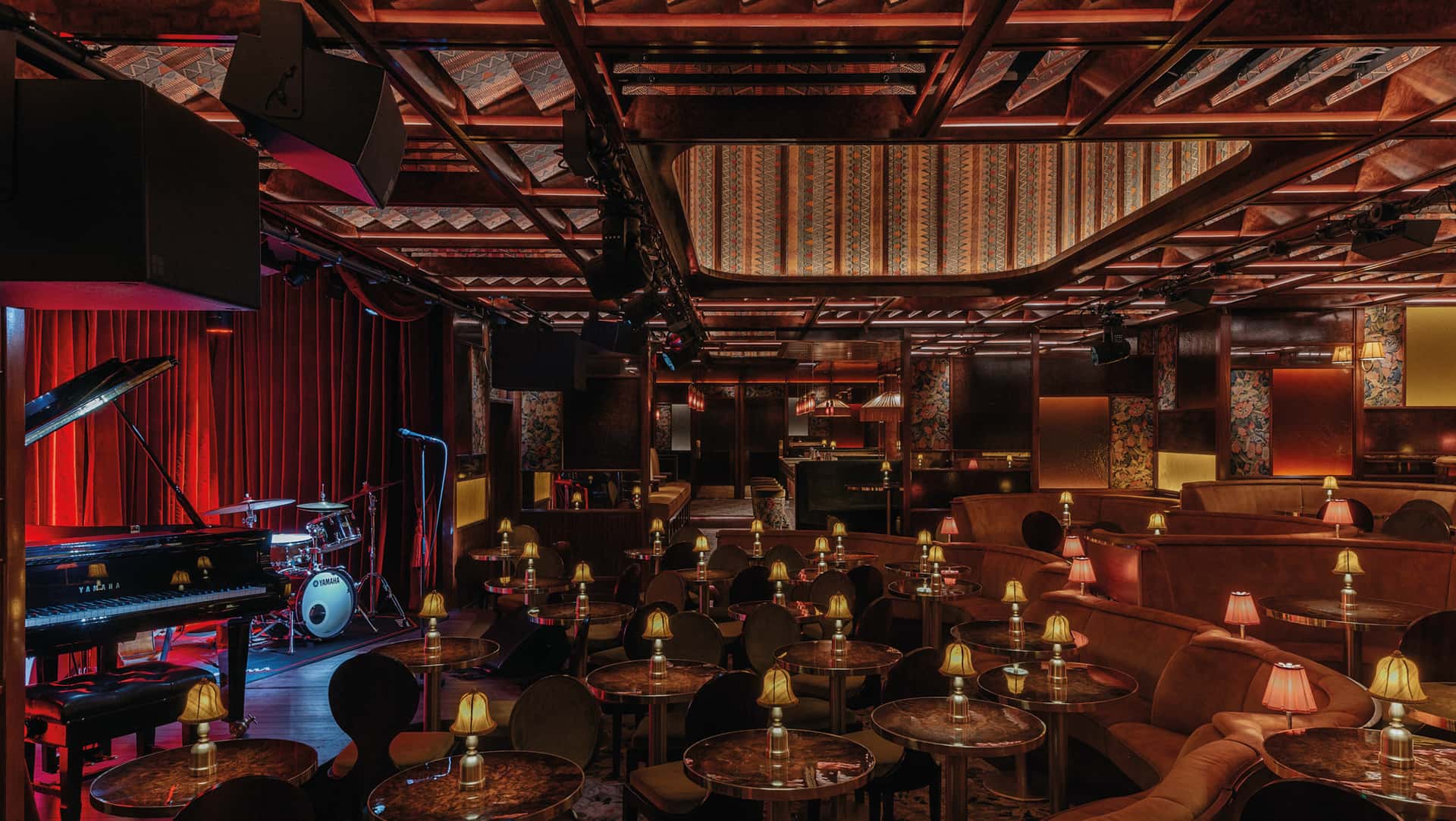
When your venue has welcomed everyone from Miles Davis to Amy Winehouse, standing still isn’t an option. The most recent Ronnie Scott’s redevelopment proves even an icon can evolve
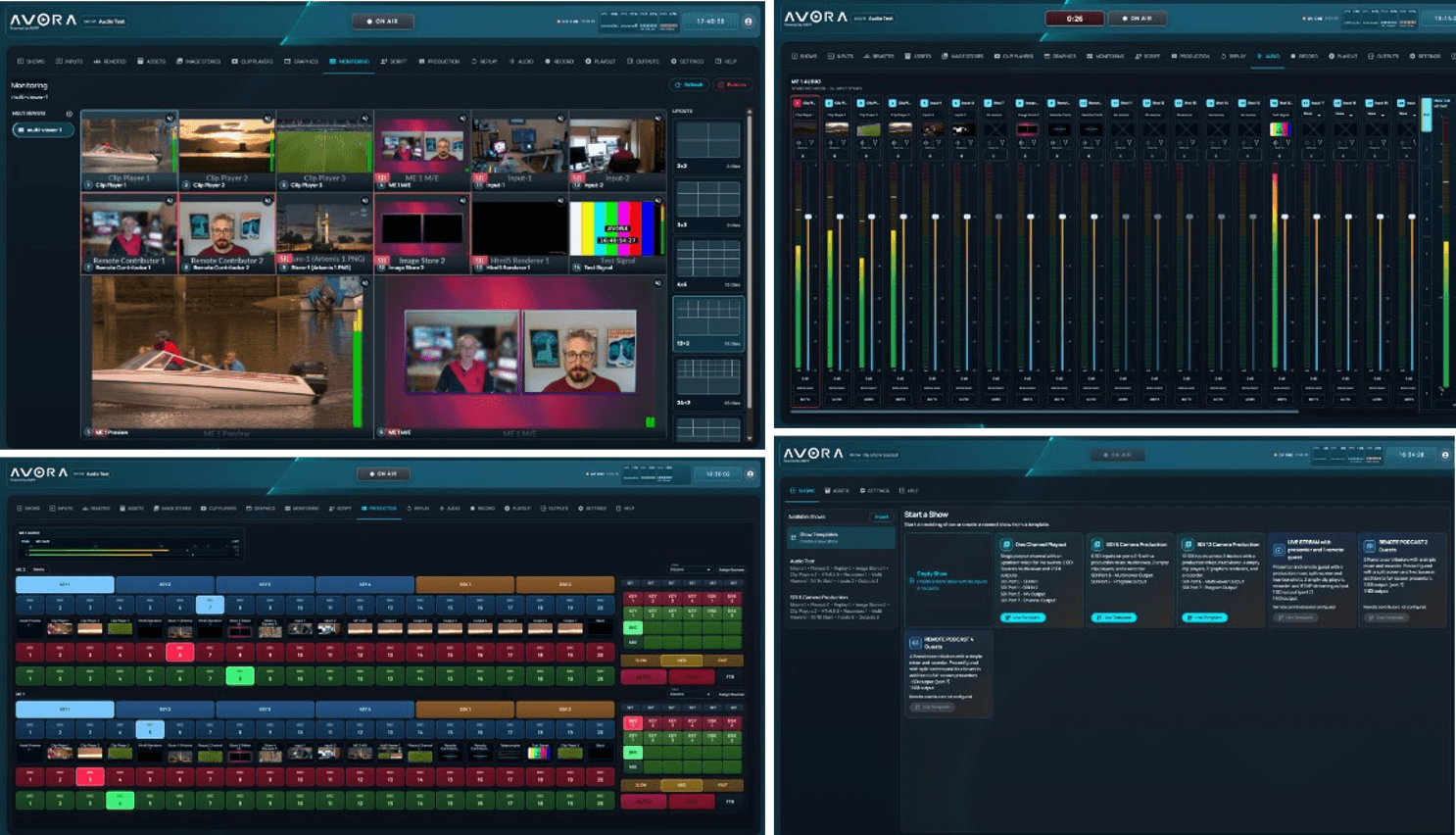
Launched at IBC2026, AVORA gives production teams a complete environment to prepare, produce and deliver live content, from switching and graphics to audio, remote guests, content, replay and delivery.

Tim Burton’s cult classic Beetlejuice has found new life on stage. But recreating its surreal world takes much more than clever costumes and scary set designs

Recently acquired by Panasonic, Hive is entering a versatile new era. CTO Dave Green sits down with LIVE to discuss what this move means for the wider pro AV industry