
dBS Solutions enhances Daresbury Festival
dBS Solutions provided sound reinforcement for the dance-focused Daresbury Festival at Walton Hall and Gardens in Warrington, Cheshire, with all three stages powered by Martin Audio systems.


This digital illustration features a cute anime girl with long pink hair wearing pink headphones on stage in front of a crowd. The lights are shining on her as she smiles for the crowd. The image is perfect for representing music, performance, and anime culture.
As immersive experiences boom, technology is opening new avenues for live music. We explore the ins and outs of metaverse-based musical experiences, plus the tech required to make them happen
Words Katie Kasperson
When people think of the metaverse – granted they picture anything at all – they probably conjure up images of a Ready Player One-style virtual world, where everyone is wearing VR goggles, using digital currency and falling alarmingly out of touch with what we might call reality. But the metaverse, as it stands today, is not so science-fiction. It’s also inherently hard to define.
In the strictest sense, the metaverse could be limited to – or synonymous with – virtual reality. It’s a world that exists only digitally, accessible via spatial computer (if borrowing Apple’s terminology; otherwise, it’s a headset), but one that continues to exist whether or not you log on. More broadly, the metaverse might include everything from social media and video games to virtual environments and other immersive experiences – anything on a screen or smart device. No matter which definition you side with, the metaverse, above all, refers to a shift in the way technology shapes our lives.
One such shift is entertainment. Immersive experiences are all the rage, with live events designed to stimulate every sense and reduce the barriers – real or imagined – between artist and audience. We’ve seen it in sport with AI-enhanced streams, and in film with 4D cinemas. But music in particular is taking new shape; today’s concerts are light years away from the old-fashioned bonfire singalongs or casual garage band jam sessions.


Epic Games released themed skins, emotes and gliders as part of the Astronomical set
Music is booming in the metaverse, and for good reason. From livestreamed concerts to virtual club nights, these events are convenient, accessible and relatively inexpensive for audiences, once they have the necessary gear to get involved. For artists, metaverse-based performances present new money-making avenues and unconventional ways of connecting with fanbases. While it isn’t all sunshine and rainbows – there are, of course, downsides to virtual-only experiences – technology seems to be inextricable from the way we currently experience live music. It’s worth exploring exactly what music in the metaverse looks like, how it works and why it’s catching on.
The early days of the Covid-19 pandemic sent society into a spiral. As our routines were abruptly interrupted, we adapted to new ways of living, working and playing. A socially distanced world meant the downfall of in-person events; college courses went virtual, sports stadiums emptied, cinemas closed indefinitely and concerts were cancelled – that is, until someone realised they could give audiences a live stream instead.
We largely have Covid-19 to thank for how live music looks today. Indeed, it exacerbated many things – music in the metaverse being one, as well as working from home, straight-to-streaming and other pandemic-era phenomena. There’s perhaps no better example of this than One World: Together at Home, a benefit concert that took place in April 2020.
Arranged by charity organisation Global Citizen and curated by Lady Gaga, Together at Home’s goal was to bring people closer despite their physical distance from each other. The concert ultimately benefited the World Health Organization (which, at the time of writing, the US has since withdrawn from) and its Covid-19 Solidarity Response Fund. The all-day event blended a six-hour online pre-show – hosted on YouTube – with a two-hour televised broadcast, which aired on CBS, ABC, NBC, the CW, Univision and other global networks such as BBC One.

Together at Home was a global broadcast and digital special curated by Lady Gaga in April 2020
Together at Home saw swathes of celebrities, including actors, musicians and other artists, join up for a good cause; it raised nearly $128 million for frontline healthcare workers – a number that rivals Live Aid’s impact in 1985. Over 19 million viewers tuned in via broadcast or cable in the US alone.
While the charity concert succeeded in its fundraising efforts, it also had a lasting impact on live music, proving that physical togetherness isn’t a prerequisite. Later that year, popular artists such as Dua Lipa, John Legend, Clairo and Coldplay took to social media, offering fans intimate performances from their living rooms. They typically didn’t charge for these ‘concerts’, despite needing to make a living (professional musicians tend to earn peanuts from streams and record sales, making the bulk of their cash from touring). Instead, some embraced a ‘pay what you can’ model or urged viewers to open their wallets in other ways, such as by aiding artist relief campaigns.
This era marked a new frontier for the artist-fan relationship, suggesting that social media could be used not to replace in-person concerts, but rather to supplement them once the world returned to stasis. Social media is now an indispensable tool for on-the-rise indie artists especially, allowing them to strengthen their fanbases one live stream at a time.
As far as the metaverse goes, social media is only the tip of the iceberg. Video games and virtual worlds also see their fair share of gigs, with Unreal Engine-powered Fortnite and others like Roblox and Minecraft ramping up their live event offerings.
These modern video games are more than simple esports; they’re hugely popular digital realms that blend realistic animation with role-playing. They’re also the closest thing we currently have to Ready Player One’s Oasis. Inside these virtual worlds, concerts have attracted audiences numbering in the millions while eliminating the annoyances of live events – blocked views, busy crowds and heat exhaustion among them.


The Lil Nas X Concert Experience on Roblox drew more than 30 million visits
According to Dexerto, roughly one million users play Fortnite on an average day. This peaked on 30 November 2024, when more than 14 million concurrent players attended the game’s Remix: The Finale event, which featured a tribute to late rapper Juice Wrld. An in-person concert could never draw such a crowd – nor could it feature a deceased artist – but online, the rules of physical reality do not apply.
Fortnite concerts have been happening for years now – ever since February 2019, in fact. Marshmello – the mysterious DJ who’s always sporting a white helmet – performed a live set called Party at Pleasant Park. Over 10.7 million players attended. According to Rolling Stone UK, the masked DJ’s social following grew too, with 62,000 new followers on X (then Twitter), 260,000 on Instagram and a 1800% increase in YouTube subscribers.
The numbers spoke for themselves, and the precedent had been set. Soon after, Travis Scott performed in Fortnite, Charli xcx in Minecraft and Lil Nas X in Roblox, the latter drawing 33 million viewers over four shows. Even after the pandemic ended, the beat went on – Ariana Grande, Justin Bieber, Metallica, Snoop Dogg and Ice Spice have all performed online. It’s worth noting that these aren’t no-name artists; the world’s biggest acts are certainly changing their approach to live events and seeing the value in virtual gigs.
So, what is that value, exactly? For starters, it’s an increased online presence – and an opportunity to connect with new (usually younger) fans in some unexpected ways. As with Marshmello’s inaugural event, virtual concerts lead to increases in fan engagement, which typically equals sales. They also open the door to more sponsorships and brand partnerships, virtual meet-and-greets, digital merchandise and non-fungible tokens (NFTs) – and various other cryptocurrencies. But the true value in setting themselves apart may be more difficult to quantify.
Snoop Dogg and Ice Spice, for instance, took a hybrid approach, performing from one of the most high-profile global locations: Times Square. Taking to the TSX Stage, they livestreamed their joint gig directly into Fortnite while simultaneously drawing an in-person crowd, giving fans the best of both worlds.

Snoop Dogg’s appearance highlighted how TSX can host real concerts in the middle of the city
Fitting nicely with Times Square’s ‘bright lights, big city’ aesthetic, the TSX Stage – part of TSX Broadway, a 46-story high-rise – is a 4000 sq ft platform suspended 30ft above the street. It’s also equipped with an 18,000 sq ft LED screen, which happens to be the Square’s largest to date. According to architecture firm Mancini Duffy, which coordinated the project, the stage can handle global broadcasts and live streams thanks to its innovative tech.
Fortnite wasn’t the first gaming platform to tackle virtual concerts (technically, these have been around since the mid-2000s), but it’s certainly brought them to the cultural fore. The game – technically a subset of Fortnite, called Fortnite Festival (and developed by Harmonix, the company behind Guitar Hero and Rock Band) – is about more than just making or listening to music; players can interact with their favourite artists, purchase their outfits (also known as skins) and instruments and even monetise streams on their own Twitch or YouTube channels without being flagged for copyright violations. The game also structures itself by season; pop star Sabrina Carpenter is the official Season 8 headliner, while past seasons have centred on The Weeknd and Billie Eilish.
Fortnite undoubtedly attracts a young audience, and it’s Generations Z and Alpha (those born after 1997) who will largely determine the future of virtual gigs. Growing up alongside the metaverse, these young people are accustomed to regular digital experiences, with online interactions making up the bulk of their social lives. We’ll likely be seeing a long string of Fortnite-esque events as new users continue to come online.
Live music can take many forms, and DJs are often overlooked as true musicians. Clubs, raves and festivals give these artists a space to set dance floors ablaze with bass-heavy beats and clever remixes. They, too, lost their platforms during Covid-19, forced out of the Boiler Room and into the bedroom. Some went even further, embracing virtual raves as the new frontier of nightclubbing.
VR Chat is one such place where the party never ends. Hosted on Steam, this virtual world is much like the others – and it’s a popular destination for partygoers at all hours of the day. Filled with virtual clubs and other venues, users need only pop on their headsets and wait in line for entry (while most clubs don’t charge a cover, sadly the metaverse hasn’t yet fully eradicated queuing). Depending on how often they visit and the cost of their gear, virtual clubs could save users money – plus, they can enjoy a night ‘out’ from home.
Many casual DJs have found success in the virtual world, which has in turn led to real-life bookings. Such is the case for trans DJ, Ru, who told Wired that her ‘life has been expanded’ by VR. She recently travelled from Ohio to Japan to perform in front of a live audience.

Unlike more traditional gigs, no artist needs to be physically present on stage for Abba Voyage
Virtual reality, in many ways, offers a safe space for artists like Ru, who might face discrimination in the real world. Introverts, disabled individuals and members of the LGBTQ+ community can enjoy a comfortable experience without having to endure physical abuse. But despite its digital nature, the metaverse is still prone to human impulse and imperfection, and some users have reported alarming rates of their avatars being sexually assaulted. Even Ru said that she gets ‘sexually assaulted far less often’ in the metaverse than in real life; while ‘far less often’ is a start, it isn’t especially encouraging.
Laura Bates, author of The New Age of Sexism: How the AI Revolution is Reinventing Misogyny, recounts a similar experience she had while in Meta’s Horizon Worlds, the company’s own contribution to the ever-expanding metaverse. “In one virtual karaoke-style club,” Bates wrote in a Guardian article, “the bodies of the singers on stage were those of young women in their early 20s. But based on their voices, I would estimate that many of the girls behind the avatars were perhaps nine or ten years old. Conversely, the voices of the men commenting on them from the audience, shouting out to them and following them off stage, were often those of adults,” she stated.
Tech and gaming companies like Meta have been called upon to address cyber bullying and online harassment, but they’ve yet to produce a suitable response or integrate satisfactory safety measures. This expands beyond live music; the metaverse as a whole needs a rethink.
That said, VR enthusiasts have self-reported plenty of positive experiences surrounding clubbing, too. “This technology is a suitable replacement for those of us who spent the nineties and 2000s in real raves,” writes sky_silent in response to Mattha Busby’s Wired article, 60-Hour Dance Sessions, Simulated Sex, and Ketamine: Inside the World of Hardcore VR Ravers. “I found my fiancé in VR Chat; we now live together, and on the weekends, instead of going out and drinking, we stay in and dance in VR all night. We’re both women, so we like the ability to block toxic people instead of having them stalk us all night in a physical bar,” they explain. “At the end of the night, we just take off the headsets and go to bed.”
As sky_silent reminds us, participating in the metaverse is optional, and virtual reality isn’t intended to fully replace the physical elements of a person’s life, live music included. Accessible via smart device, game console, VR headset and the like, entering the metaverse is dependent on having the kit to do so – and not everybody does. Headsets, for instance, can range from a few hundred to thousands of pounds – the same goes for phones, computers and consoles.


In the virtual booth, DJ Ru could experiment with genre blends and risky transitions
Until virtual reality truly hits the mainstream – and even after – we will continue to have concerts and festivals where we can see our favourite musicians in the flesh. For some people, this is the best it gets; no digital world can replace the excitement of being acknowledged by an artist or getting lost in the crowd.
But technology will progress, and entertainment along with it. We have already seen how holograms are replicating artists on the stage, with Industrial Light & Magic’s Abba Voyage spearheading in this area. Companies like Metaphysic, on the other hand, are leveraging generative AI to create real-time face swaps, bringing Elvis back to life and taking Eminem back in time. The MTV Video Music Awards even introduced categories for best quarantine performance in 2020 and best metaverse performance in 2022. Technology is everywhere in live music – metaverse and beyond.
Despite its reliance on devices and/or at-home set-ups, the metaverse offers convenience, new social spaces and opportunities for connection, as well as physical safety and savings on time, transport and pricey tickets. While it does have drawbacks – anonymity may give way to online abuse, while VR can cause fatigue and even motion sickness – these aren’t so different from negative experiences you might have in real life.
The future of music in the metaverse is uncertain, yet it’s promising too. As artists embrace these virtual ventures, live music will continue to thrive – no matter the world they’re in.
Whether virtually or not, music, gaming and AV are intertwined. The Playstation: The Concert is a testament to this relationship – read more about the jouney from console to concert here.
This feature was first published in the Jul/Aug 2025 issue of LIVE.
dBS Solutions provided sound reinforcement for the dance-focused Daresbury Festival at Walton Hall and Gardens in Warrington, Cheshire, with all three stages powered by Martin Audio systems.
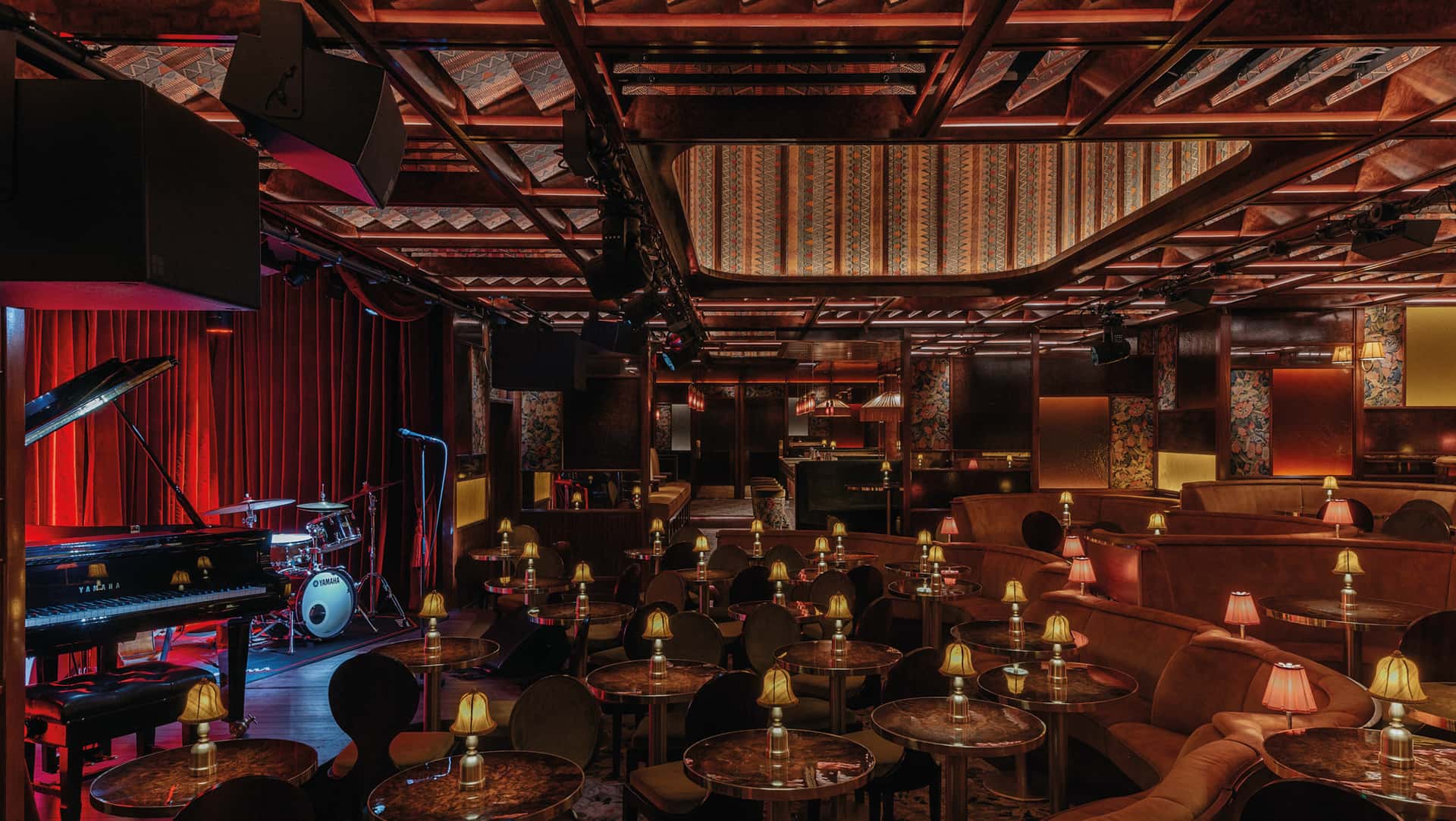
When your venue has welcomed everyone from Miles Davis to Amy Winehouse, standing still isn’t an option. The most recent Ronnie Scott’s redevelopment proves even an icon can evolve
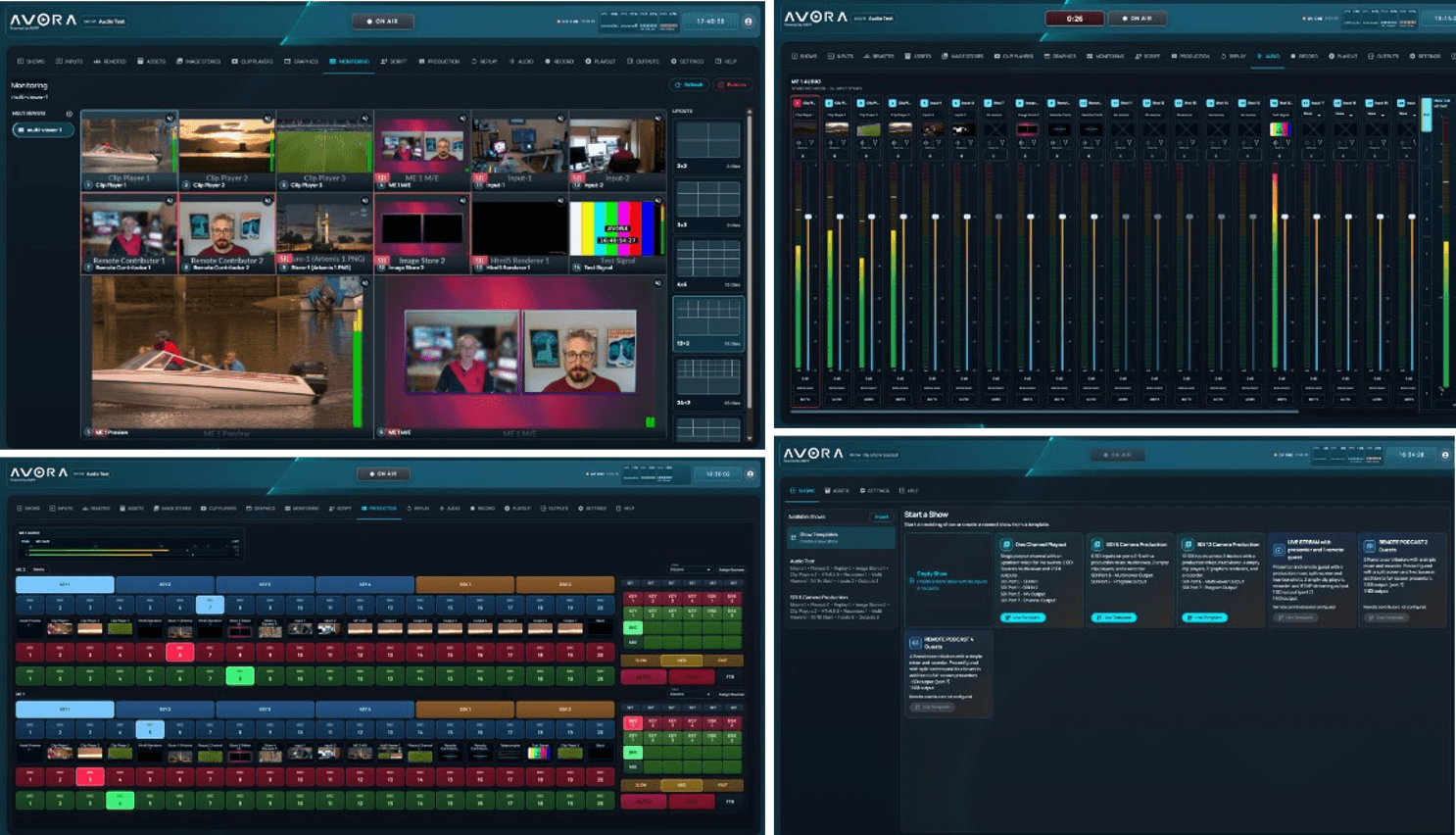
Launched at IBC2026, AVORA gives production teams a complete environment to prepare, produce and deliver live content, from switching and graphics to audio, remote guests, content, replay and delivery.

Tim Burton’s cult classic Beetlejuice has found new life on stage. But recreating its surreal world takes much more than clever costumes and scary set designs

Recently acquired by Panasonic, Hive is entering a versatile new era. CTO Dave Green sits down with LIVE to discuss what this move means for the wider pro AV industry